Dental glossary
Enamel
The hard, outer layer of the tooth. It is the hardest tissue in the body and protects the softer parts inside, but it does not grow back once lost.
This page is general information, not a diagnosis or treatment recommendation. For advice about your own teeth, or your child's, please speak to a dentist.
What enamel is
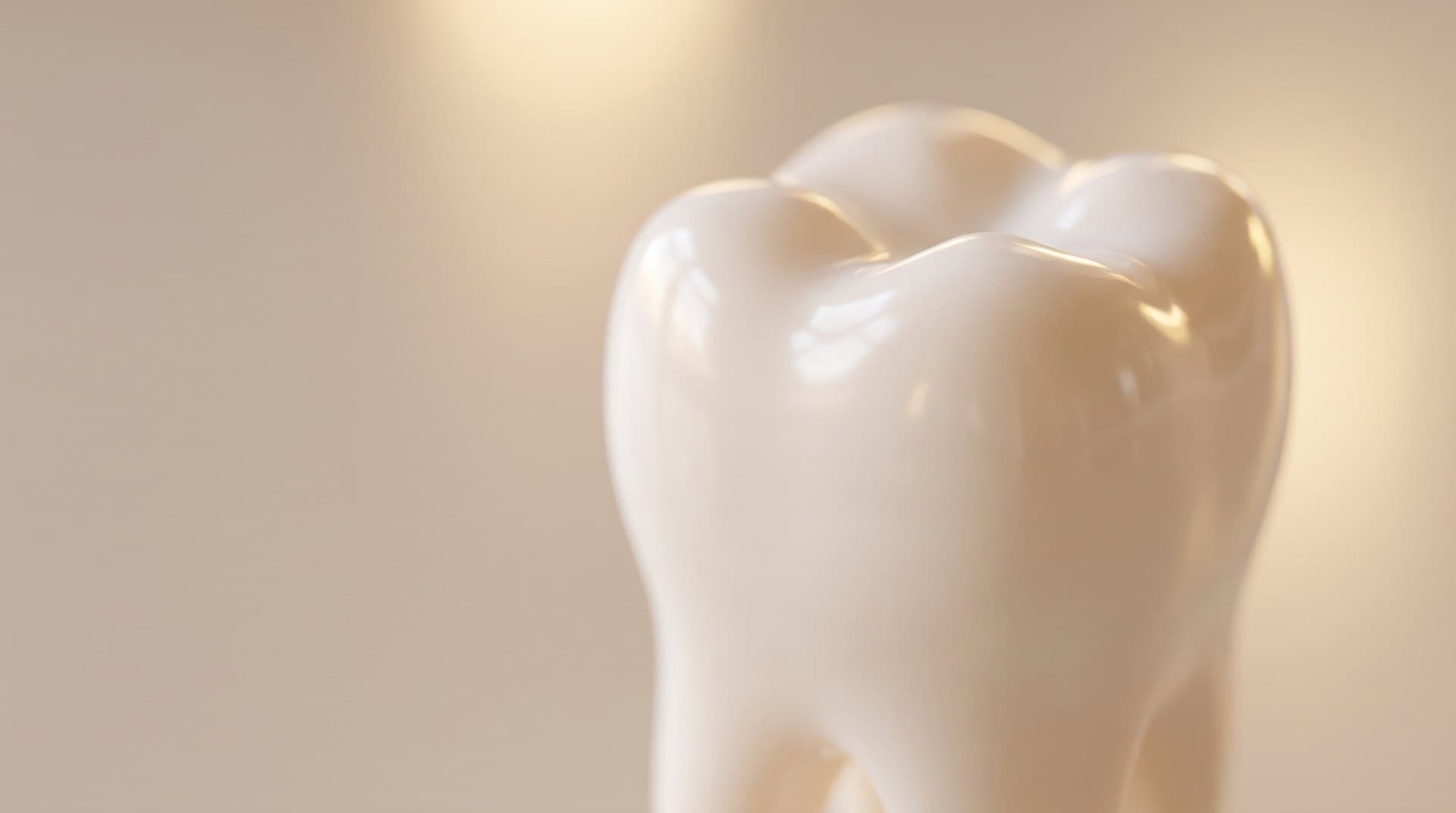
Enamel is the thin, hard outer covering of the part of the tooth you can see. It is the hardest tissue in the human body, and its job is to protect the softer layers underneath, the dentine and the pulp, from the wear and tear of biting and chewing and from temperature and acids.
Although it is very hard, enamel is not indestructible, and importantly it does not regrow once it is lost, because it contains no living cells to repair it. Looking after it is therefore about prevention.
What affects enamel
Enamel can be worn down or damaged in several ways. Acids from decay or from frequent acidic food and drink can dissolve its minerals, a process sometimes called erosion. Grinding or clenching can wear it mechanically, and very hard objects can chip it. Early mineral loss can sometimes be slowed or partly reversed with fluoride and good care, but once enamel is physically worn or broken it does not come back.
Things that can wear enamel
- Acid from decay or frequent acidic food and drink
- Grinding or clenching the teeth
- Aggressive brushing or biting very hard items
Protecting it
Because enamel cannot regrow, protecting it matters. Brushing twice a day with a fluoride toothpaste, cleaning between the teeth, and being mindful of how often acidic and sugary items are consumed all help. Fluoride supports the enamel by helping it resist acid and remineralise early damage.
If teeth feel sensitive, look worn, or you are concerned about erosion, a dentist can examine the enamel and advise on protecting it. Spotting changes early gives the most options.
Acid erosion and how it differs from decay
Enamel can be lost to acid in two related but distinct ways. In tooth decay, acids made by bacteria in plaque attack the enamel in specific spots. In acid erosion, acids from the diet, such as those in fizzy drinks, fruit juices and some foods, wear the enamel more generally across the surfaces they touch.
Both involve acid softening and dissolving the enamel, and both are influenced by how often the teeth are exposed rather than only by quantity. Sipping acidic drinks slowly through the day, for example, gives the enamel little chance to recover between exposures.
Habits that help protect enamel
- Limiting how often acidic and sugary items are consumed
- Using a fluoride toothpaste as part of daily brushing
- Avoiding very vigorous brushing, especially straight after acidic food or drink
Sensitivity and exposed dentine
When enamel wears thin or the gum recedes, the softer dentine underneath can become exposed. Dentine contains tiny channels that connect to the nerve of the tooth, which is why exposed dentine can make teeth feel sensitive to hot, cold or sweet things.
Sensitivity has several possible causes, so it is worth having it checked rather than assuming the reason. A dentist can look at whether worn enamel, gum recession or something else is involved, and advise on managing it.
Questions & answers
Enamel: common questions
Can tooth enamel grow back?
What is the difference between enamel and dentine?
Why do my teeth feel sensitive?
Related glossary terms
On treatment at Align Dental, see: Fluoride treatment.
Book a visit
Ready to take care of your smile?
Tell us what you need and our team will help you book the right appointment, usually within one working day.