Invisalign vs braces
Invisalign vs braces
Both straighten teeth, but they work differently and suit different cases. Here is how clear aligners and fixed braces compare.

Invisalign vs braces
Both braces and clear aligners straighten teeth and improve oral health; the right choice depends on your case and how you live day to day.
How each one works
When it comes to straightening teeth, braces and Invisalign are the two main options. Both can give you a straighter smile, but they work in different ways and have their own pros and cons.
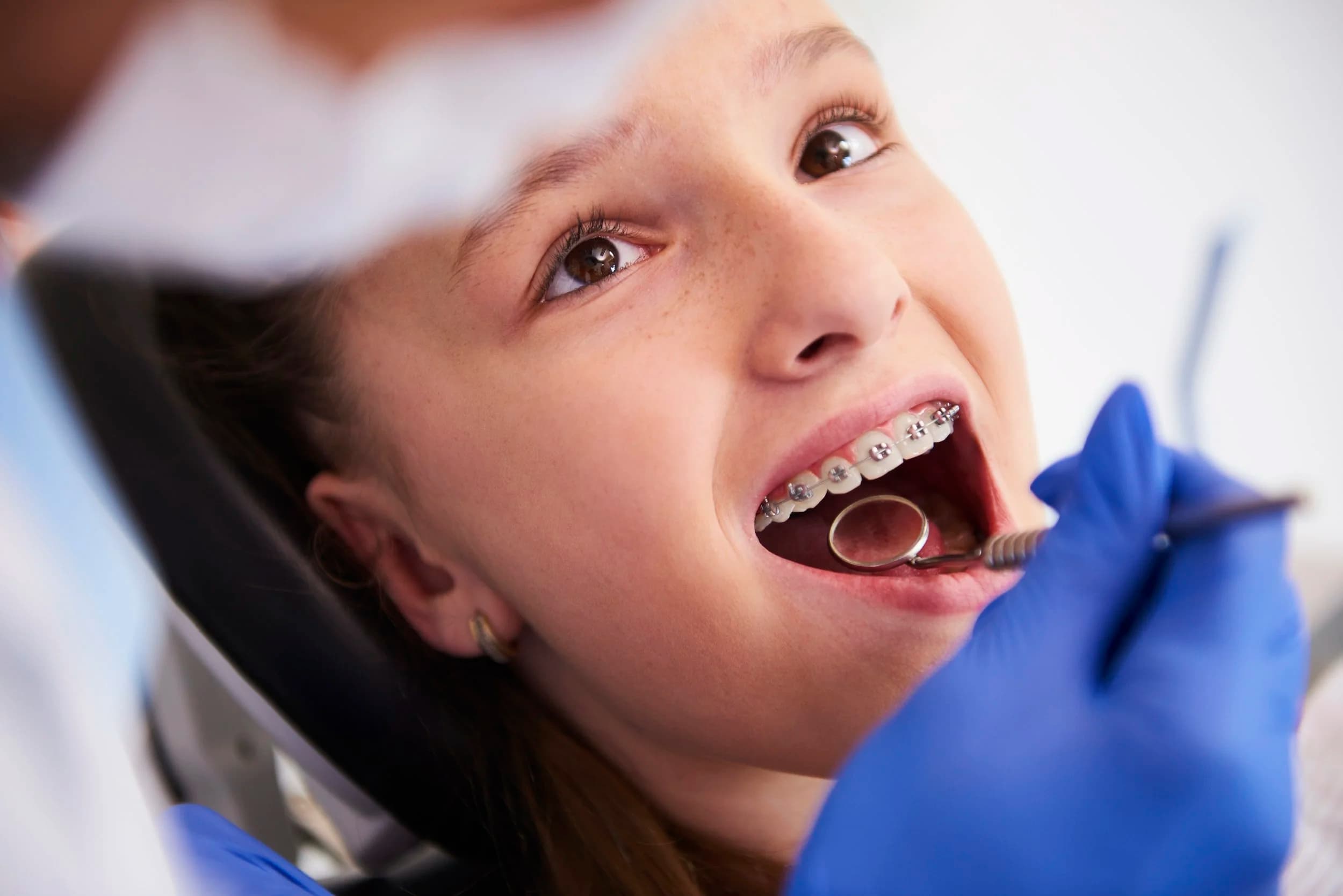
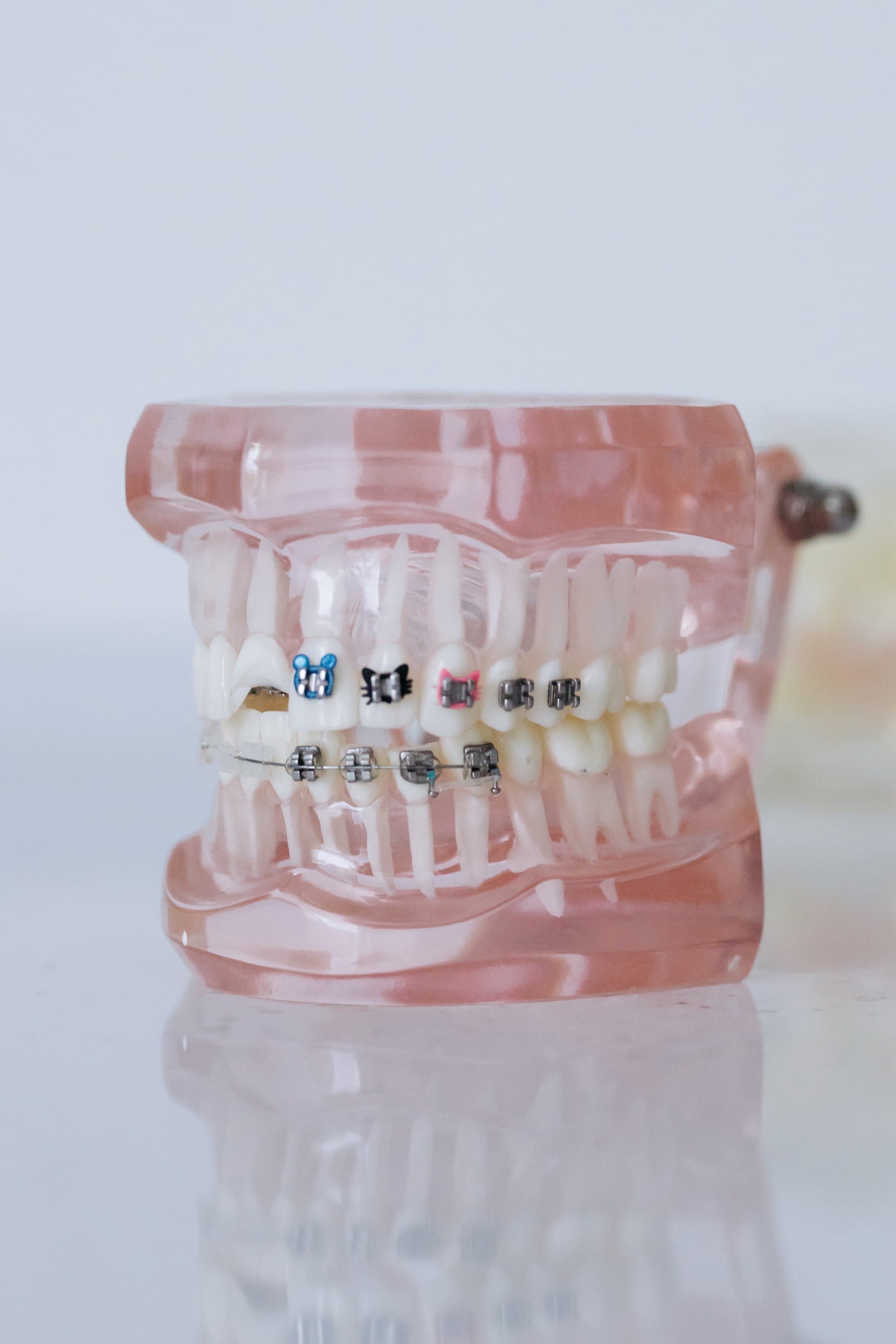
Braces have been used for decades and are the traditional method. Metal or ceramic brackets are bonded to the teeth and connected by wires and small elastics. The wires are tightened periodically to apply pressure and gradually move the teeth into the planned positions. Because every tooth carries a bracket, the orthodontist has precise control over each one.
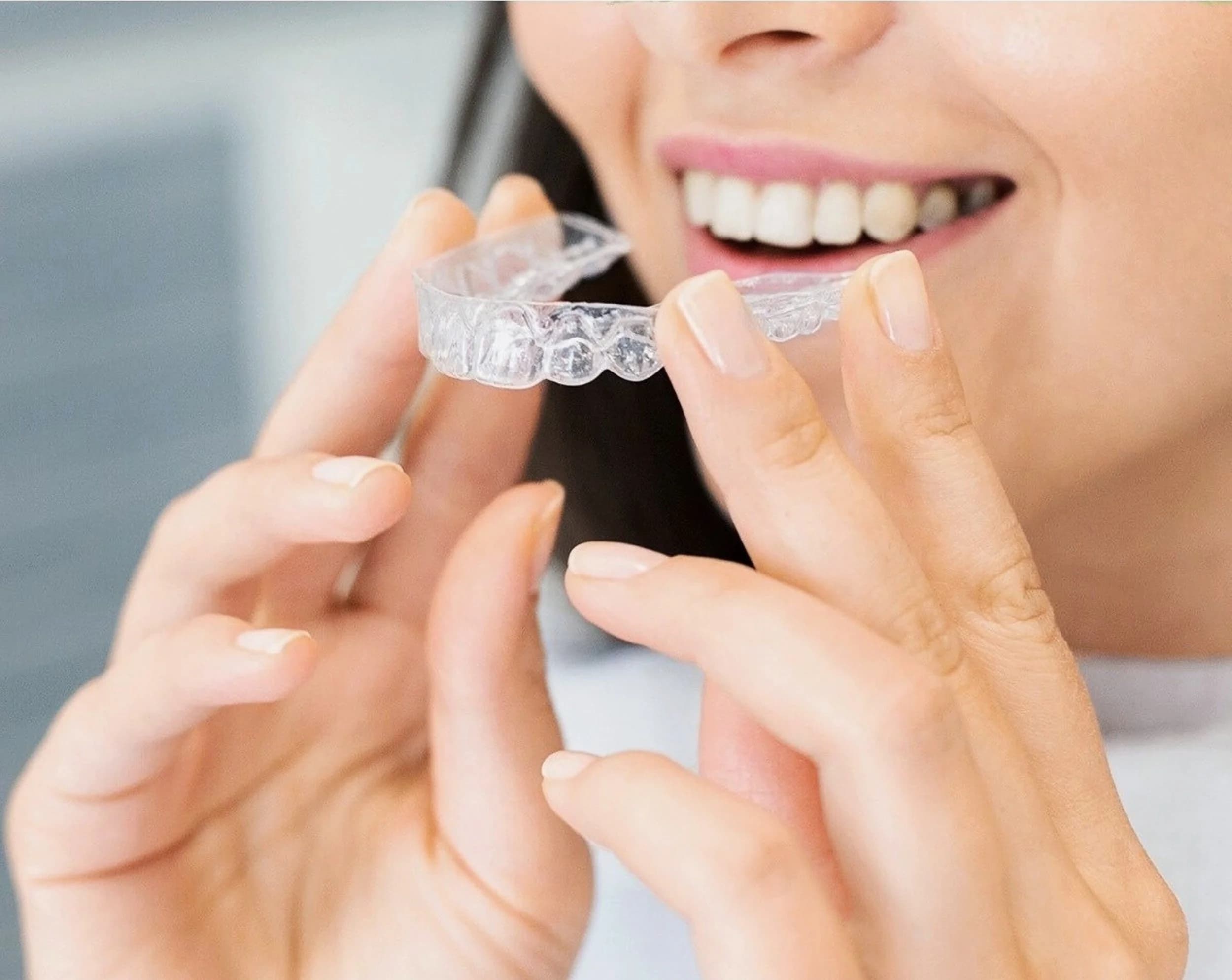
Invisalign is a newer approach that uses a series of clear, removable aligners. Each set is custom-made and gradually shifts the teeth into place without visible brackets or wires. You change to the next aligner every week or two, and take them out to eat and to clean your teeth.
When braces may be the better choice
Conventional metal or ceramic braces are still the recommended option in several situations.
Braces may suit you better if
- You have complex teeth problems. Invisalign is not suitable for every case, and some severe misalignments still need fixed braces for full correction.
- You would rather have brackets fitted. For discretion they can be placed on the tongue side of the teeth, though that is less comfortable.
- You would prefer not to manage the discipline of wearing a removable appliance for an extended period.
- More frequent visits, every three to four weeks, are not a problem for you.
Why patients choose Invisalign
Clear aligners like Invisalign are increasingly popular. They suit a range of patients for a few reasons.
Reasons patients choose Invisalign
- Suited to minor and moderate correction.
- Nearly invisible, so most people will not notice you are straightening your teeth.
- Removable, which makes eating, brushing and flossing easy, as long as you wear them 20 to 22 hours a day.
- Usually fewer visits, every one to two months.
Braces: pros and cons
Fixed braces have clear strengths and some trade-offs to weigh up.
Pros of braces
- Effective: braces can correct even severe misalignment and overcrowding.
- Generally more affordable than Invisalign.
- Customisable: you can choose different brackets and elastics, such as gold or clear brackets, or coloured elastics.
Cons of braces
- Visible, which can make some people feel self-conscious.
- The brackets and wires can irritate the cheeks and lips, especially in the first few weeks.
- Hard, sticky or chewy foods need to be avoided to prevent damage to the braces.
Invisalign: pros and cons
Clear aligners shift the balance towards comfort and discretion, with their own trade-offs.
Pros of Invisalign
- Virtually invisible, a discreet option for adults and teenagers.
- Removable for meals and cleaning, so there is no change to your diet.
- Smooth plastic that is less likely to irritate the cheeks and lips than brackets and wires.
Cons of Invisalign
- Less suited to severe misalignment or significant overcrowding.
- Results depend on strict wear, at least 22 hours a day.
- Usually costs more than braces.
Choosing between them
The choice between braces and Invisalign depends on your case and your preferences. Both can straighten teeth and improve oral health, and each has advantages and trade-offs.
At a consultation we assess your teeth and bite, explain which option will give the better result for your case, and answer your questions before you decide. Our dentists are experienced in fitting both braces and Invisalign.

It is never too late to start
Both braces and Invisalign work for adults and teenagers, so it is never too late to straighten your teeth and improve your oral health.
Questions & answers
Invisalign vs braces: common questions
Is Invisalign as effective as braces?
Which is more comfortable, Invisalign or braces?
Do I still need a retainer after Invisalign or braces?
Explore our other dental services
Book a visit
Ready to take care of your smile?
Tell us what you need and our team will help you book the right appointment, usually within one working day.