
Dental veneers
Dental veneers
Thin, custom shells that reshape and brighten the front teeth, removing far less tooth than a crown.

What dental veneers are
Veneers are thin, tooth-coloured shells custom-made to fit over the front surface of a tooth, improving its shape, size, colour or alignment. Because much less of the tooth is trimmed than for a crown, veneers usually cause less sensitivity afterwards.
Veneers can
- Brighten discoloured teeth that whitening alone cannot lift
- Repair chips or small fractures on the front teeth
- Even out slightly uneven or misshapen front teeth
- Close minor gaps between the front teeth
- Refresh front teeth that already carry large fillings
Types of veneers
Veneers can be made from composite, porcelain or zirconia. Composite veneers can often be placed directly in a single visit, while porcelain and zirconia veneers are made in a laboratory for a more durable, refined result.
Veneers are placed mainly to improve appearance, but they can also repair front teeth that have large fillings or fractures.
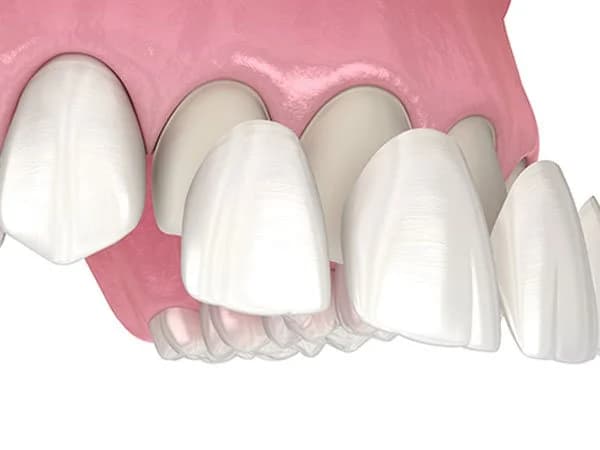
A closer look at veneers
Each veneer is a wafer-thin, custom shell, which is why so little of the tooth needs to be trimmed before it is bonded in place.
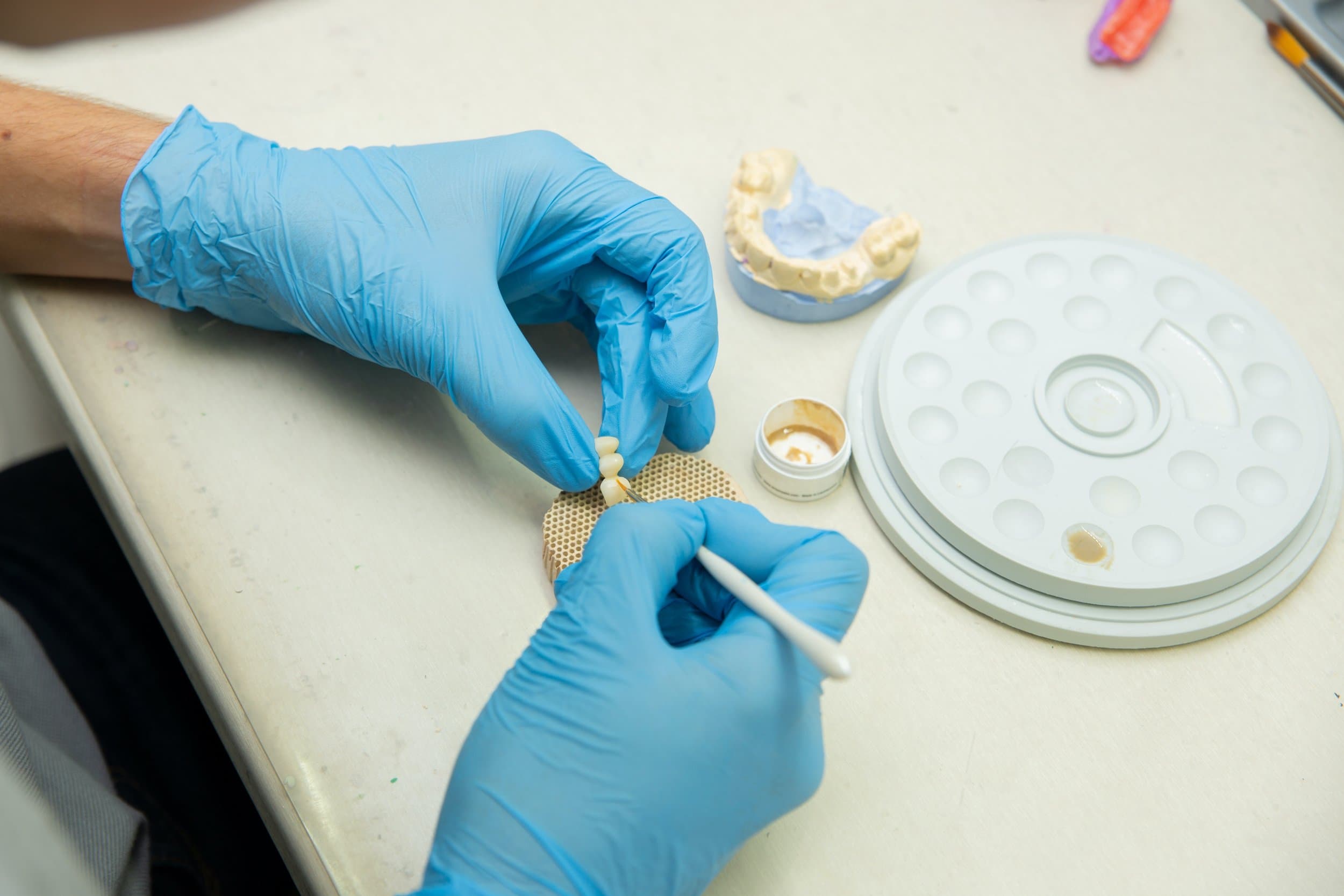
Veneers vs crowns
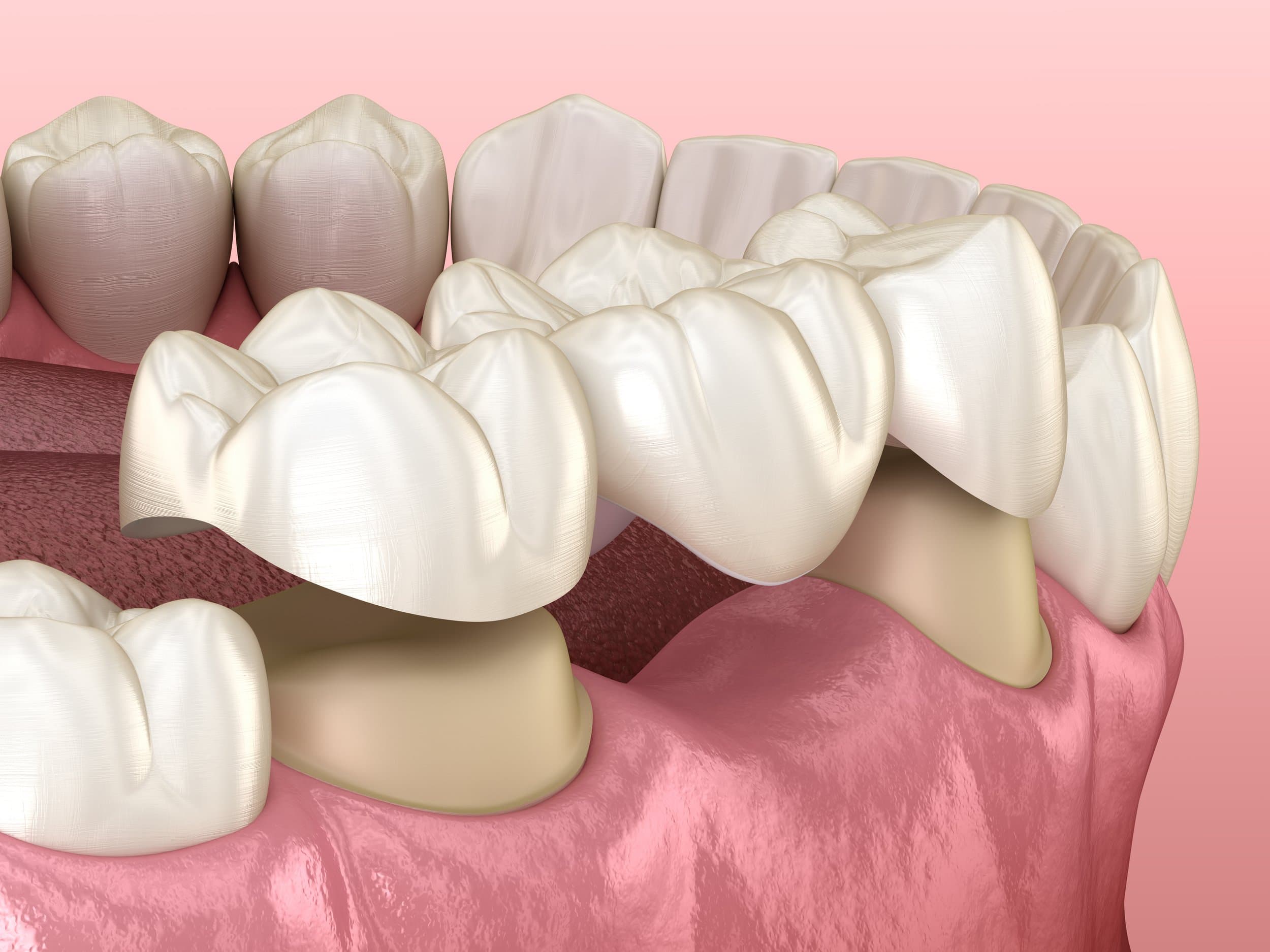
A veneer covers just the front surface of a tooth, so only a thin layer of enamel is prepared. A crown covers the whole tooth and is thicker. The decision is essentially between a more conservative procedure, veneers, and a thicker restoration that gives a very predictable, all-round result, crowns.
How veneers compare with crowns
- Veneers are less effective at covering darkly stained teeth, since only a small amount of tooth is shaved down.
- Being thinner, veneers carry a higher chance of breakage or coming loose than crowns, which are thicker and cover more of the tooth.
- Veneers are the more conservative choice, while crowns emphasise a robust, predictable outcome.
- Veneers work well where bite forces are not excessive and the jaw relationship is stable.
Is it the right choice for you?
Veneers are a permanent change to the tooth, so it is worth planning carefully. We assess your teeth and gums, talk through the materials and the look you want, and where it helps, align or whiten the teeth first so the veneers sit on a healthy, well-shaped, evenly coloured base.
If you grind heavily, we will discuss protecting the veneers, or whether crowns or aligning the teeth first would give a better foundation. A consultation with our dentists is the place to assess your individual needs and decide how best to proceed.
Questions & answers
Dental veneers: common questions
Should I get veneers or Invisalign?
Veneers or crowns: which one do I need?
How long do veneers last and how do I care for them?
Explore our other dental services
Book a visit
Ready to take care of your smile?
Tell us what you need and our team will help you book the right appointment, usually within one working day.