Invisalign First
Invisalign First for children
Clear aligner treatment designed for growing children, guiding teeth and jaw development at the age when it makes the biggest difference.

Start your child's smile on the right path
When we think about braces or aligners, we tend to think only about straightening teeth. In a growing child, the teeth and jaws also shape facial appearance, speech, and how comfortably your child breathes and sleeps.
Invisalign First is clear aligner treatment made for children who still have a mix of baby and adult teeth, usually around ages 6 to 10. It treats a broad range of issues, from simple crowding to more involved problems, during the window when guiding tooth position and jaw growth is most straightforward.
The journey to your child's smile
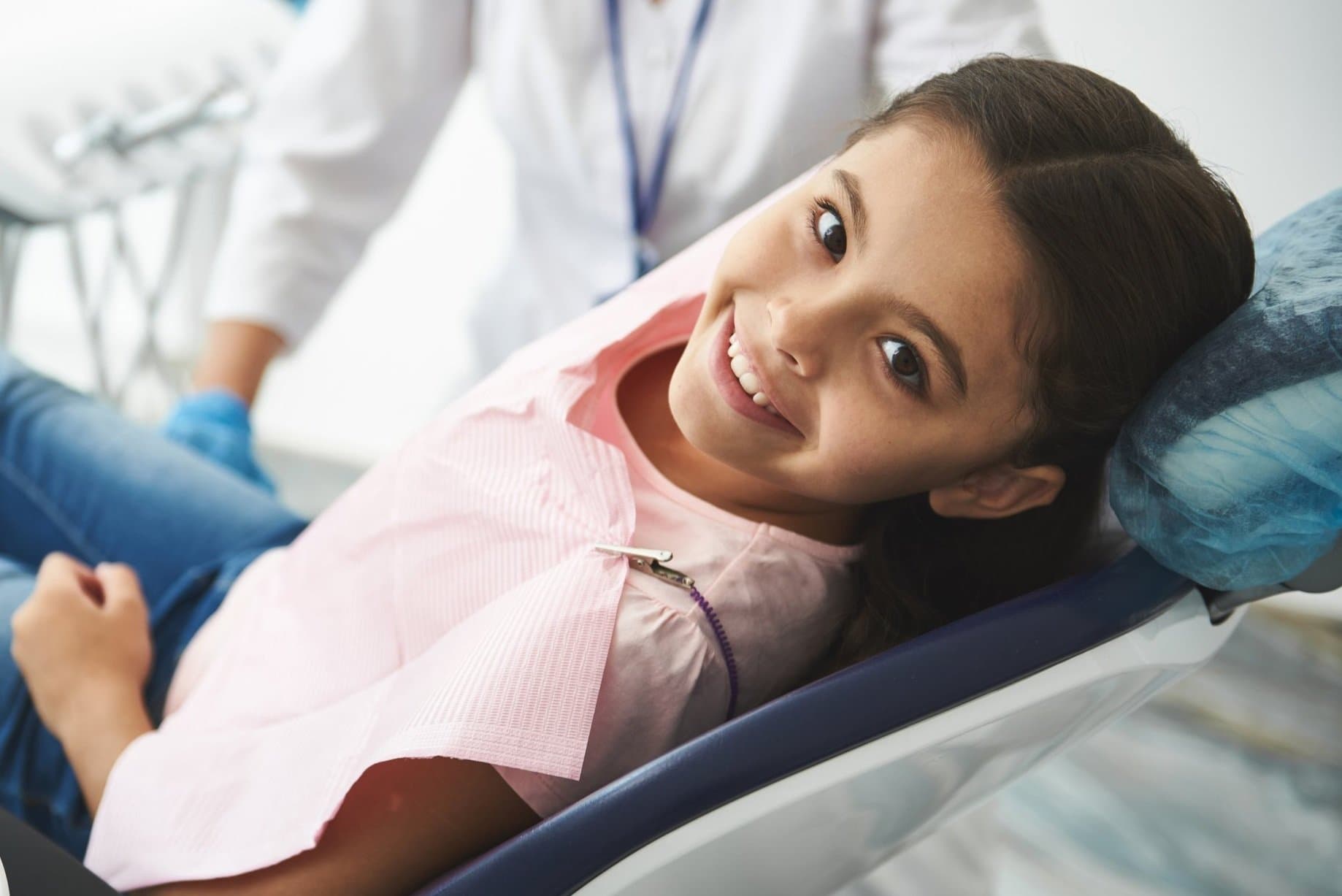
Invisalign First is designed to treat a broad range of teeth-straightening issues in growing children, from simple to complex, with a focus on predictable results and a comfortable experience.
The short film below, from Invisalign, explains how treatment is tailored to a child in the mixed-dentition stage.
Why parents choose Invisalign First
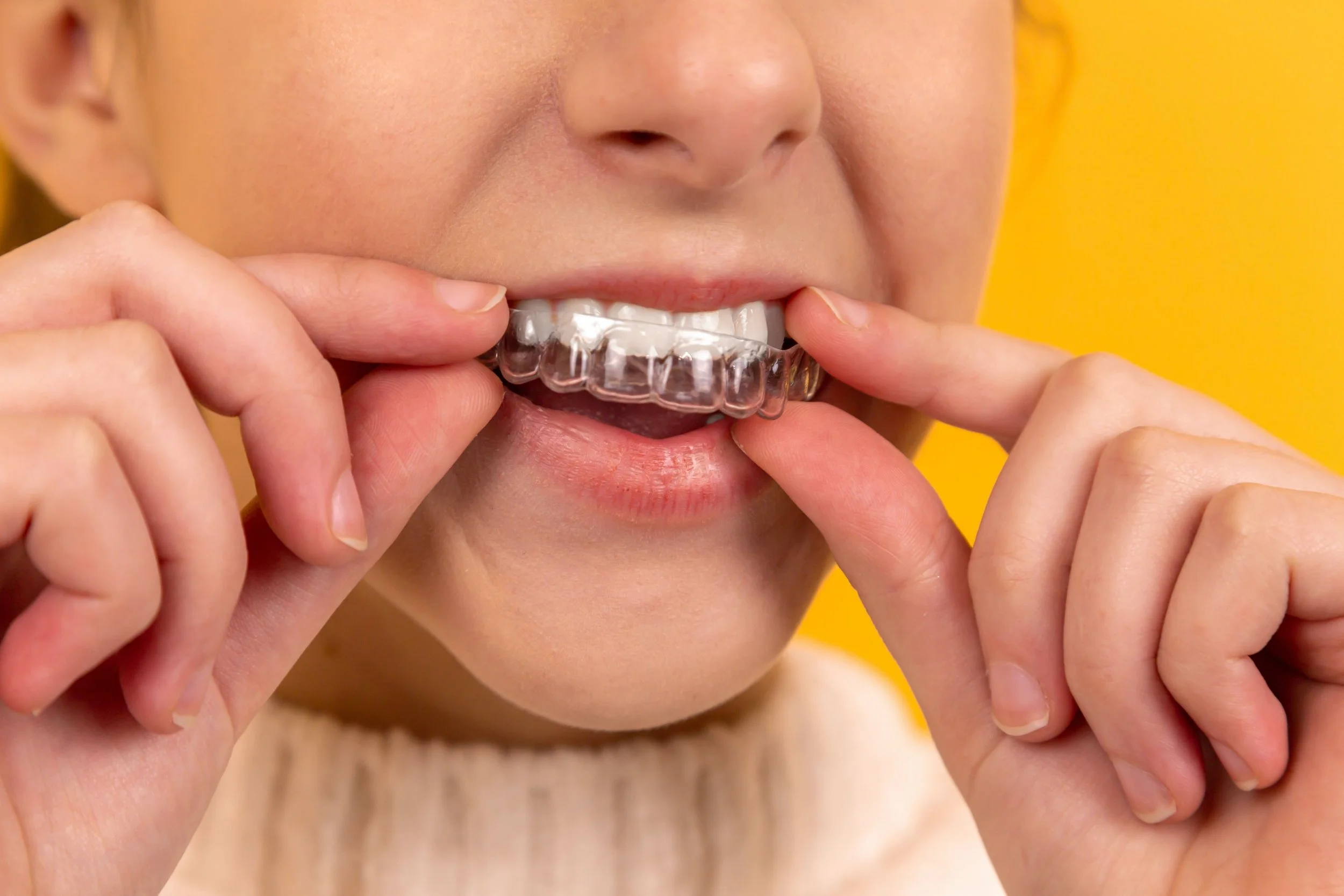
Invisalign First aligners are made for children's mouths, accommodating baby teeth and the way a growing arch changes. They can correct a broad range of orthodontic conditions while leaving room for the permanent teeth to come through.
What sets it apart
- Custom-fit for growing mouths with a mix of baby and adult teeth
- Gentle yet effective across a broad range of orthodontic conditions
- Clear, smooth aligners with no brackets or wires
- Removable, so brushing, flossing and eating stay easy
- Lets us spot and guide jaw and airway development early
The advantages of early orthodontic treatment
Treating during the mixed-dentition stage, while baby and adult teeth are both present, lets us identify and address structural issues early. This can reduce the complexity of treatment later, and sometimes the need for extractions.
Phase 1 treatment
- Proactive care: structural issues can be spotted and guided early, while growth is on your side
- Room for growth: aligners help develop the arch, creating space for current and incoming teeth and reducing crowding
- A developing smile: visible improvement in your child's smile and overall facial structure as treatment progresses
More than straighter teeth
Because the teeth and jaws guide so much of a child's development, treating at the right age can support more than appearance alone. Here is how it can help.
Better facial balance
Guiding the teeth early supports more even jaw development and, in pronounced cases, reduces the gap between the upper and lower jaw.
Appearance
The position of the teeth supports the overlying facial features. In a growing child, how the teeth come through affects whether the child develops an underbite, where the lower jaw is longer, or an overbite, where the chin sits further back, and if teeth grow in the wrong position, the jaw can appear uneven. Guiding the teeth and bite early can support more even development and, in more pronounced cases, reduce the difference between the upper and lower jaw as your child grows.

Clearer speech
Correcting gaps and the position of the front teeth early can help a child avoid a lasting lisp.
Speech
Speech depends partly on where the tongue rests against the front teeth. Gaps or spacing between the front teeth can affect how some sounds form, and a child may lisp, sometimes into adulthood. Where it is helpful, the treatment plan allows for the spacing that supports clear speech as the adult teeth settle into place.

Sleep and breathing
Crowded teeth, a narrow palate and mouth breathing often go together, because they can stem from jaws that have not had enough room to grow. When teeth are very close together, the jaw and nose can be smaller, and a child may snore at night or breathe through the mouth. This can reduce the oxygen they take in, so they wake unrefreshed, which can affect concentration and performance at school. When we assess a child, we look at how they breathe and how the jaw is developing, and guiding jaw width early, sometimes with the Invisalign Palatal Expander rather than, or alongside, aligners, can help create room for both the teeth and the airway.

The Invisalign process
What to expect
- Digital 3D scans and x-rays
- The Invisalign laboratory reviews the scan
- A customised treatment plan from our dentists
- A series of clear aligners is made, usually within 4 to 6 weeks
- Where needed, teeth are gently shaped and tooth-coloured attachments are added
- Aligners are worn about 18 to 22 hours a day
- Each set is changed roughly every 7 to 14 days
A gentler experience than fixed braces
For many children, clear aligners are more comfortable than fixed braces, with no brackets or wires to irritate the lips and cheeks.
With Invisalign First, treatment can
- Help stop existing bite problems from getting worse
- Correct existing teeth-straightening issues
- Support the look and confidence of a growing child's smile
- Help with oral habits such as thumb sucking or tongue thrusting
- Come out for easy brushing, flossing and eating

Questions to ask us
Worth raising at the assessment
- When is the right time for my child to begin treatment?
- How long is treatment likely to take?
- How will Invisalign affect my child's eating?
- Is there any discomfort while wearing the aligners?
- Can my child play sports while in treatment?
- Will my child need to wear retainers afterwards?
- Is my child a suitable candidate for Invisalign First?
Braces vs Invisalign: when braces suit better
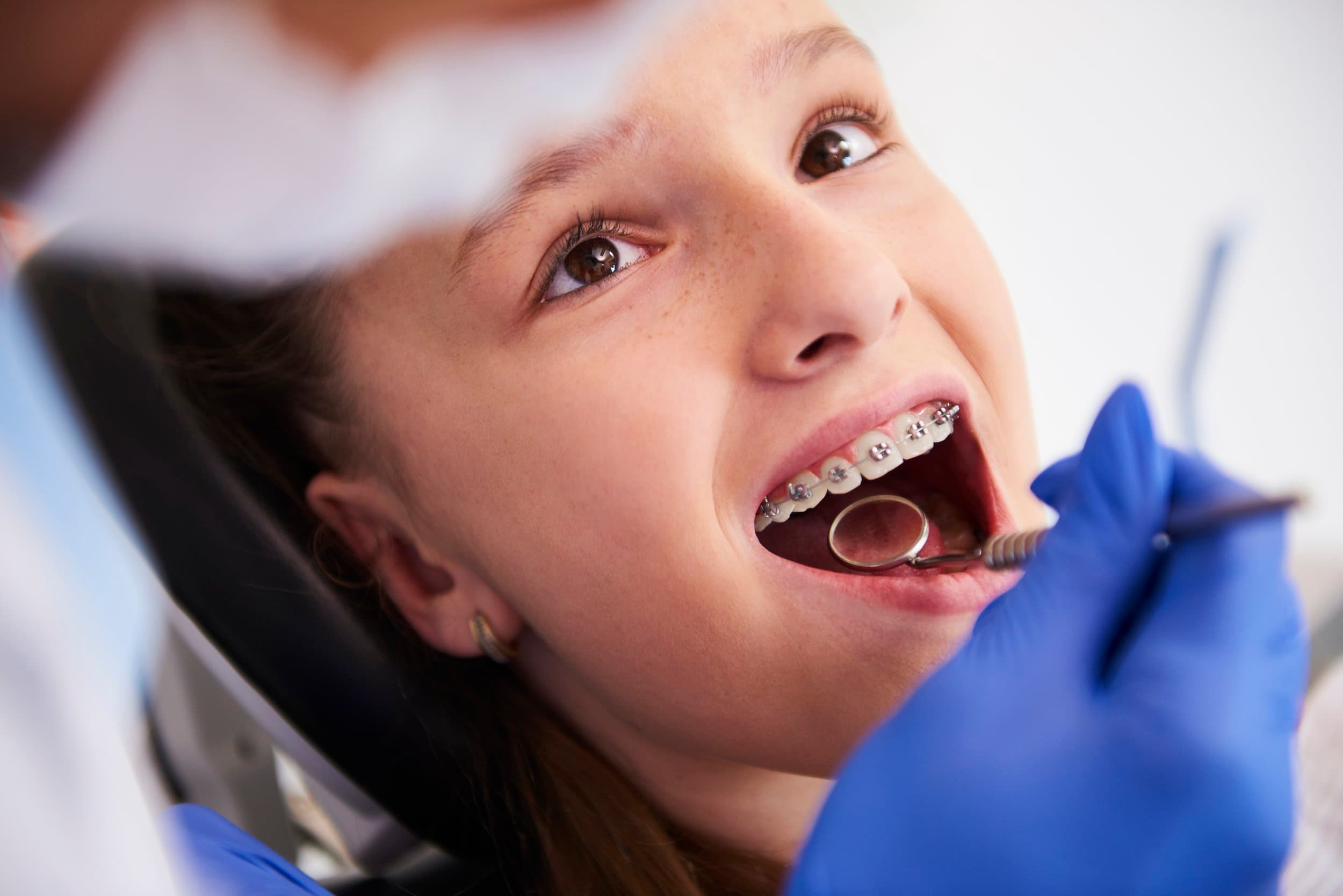
Conventional metal or ceramic braces are still the recommended option in some cases.
Braces may suit if
- The case is complex; some severe misalignments still need fixed braces for full correction
- Brackets are preferred, and can be placed on the tongue side for discretion, though that is less comfortable
- A removable appliance that depends on daily discipline would not suit your child
- More frequent visits, every 3 to 4 weeks, are not a problem
When Invisalign suits better
Clear aligners like Invisalign are increasingly popular, for good reason.
Invisalign may suit if
- The correction needed is mild to moderate
- Discretion matters; the aligners are almost invisible
- Easy eating, brushing and flossing matter, with the aligners worn 20 to 22 hours a day
- Fewer visits suit your routine, usually every 1 to 2 months
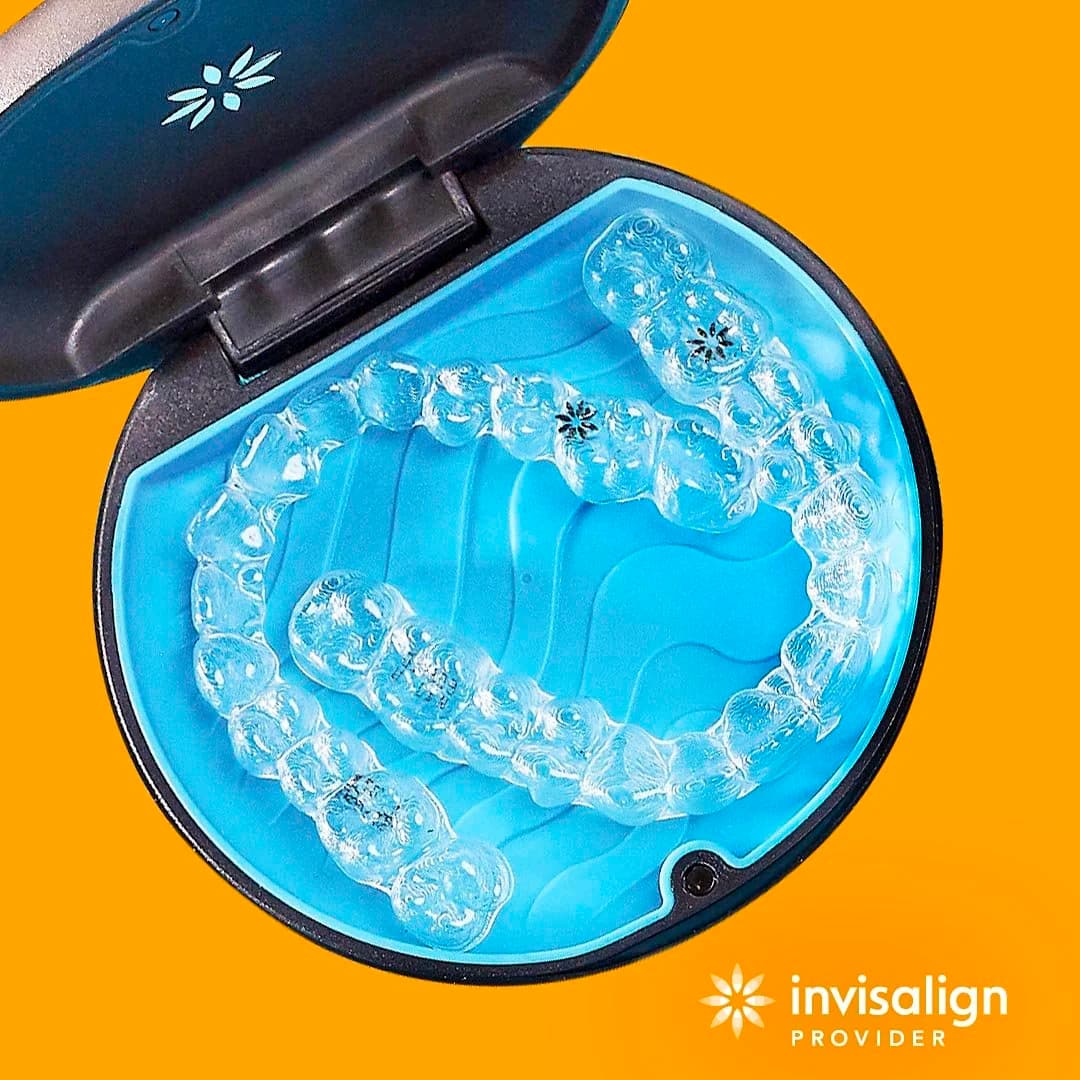
See if Invisalign First is right for your child
The best next step is an assessment of your child's teeth, bite and growth. We will talk you through the options and, where relevant, how their breathing and jaw development factor in, and advise on whether and when to start.

Questions & answers
Invisalign First: common questions
What age is right to start Invisalign First?
Will my child actually wear the aligners?
How is this connected to my child's breathing and sleep?
Explore our other dental services
Book a visit
Ready to take care of your smile?
Tell us what you need and our team will help you book the right appointment, usually within one working day.